

Every football season, someone thinks that the badge on the shirt means the club owns the ground beneath it․ It rarely does․ Whether it’s a matchday debate down the pub‚ or a stadium status check before booking an away trip‚ ownership gets misread constantly․
The more interesting point is not which players played for which clubs‚ it’s how so many‚ including many genuinely huge clubs‚ never actually held the deeds to their own stadium․ Money‚ planning law, and some seriously forward-looking financial moves play a part‚ but none of it has anything to do with how big or historic a club is․
Owning a Stadium Costs More Than Building One
The stadium’s construction is only the first bill․ Then you have things rarely discussed‚ like security staff for every home game‚ pitch maintenance for a season‚ utilities for a year, and constant redevelopment․ Now a ground doesn’t sit there‚ but upon completion it starts asking for money․
That’s why so many clubs would rather spend that money improving training grounds and developing academies and youth players who pay for themselves every single day of the week‚ not just on a Saturday․
In recent years‚ non-league and lower division clubs in England have increasingly opted for a decent training base rather than improvements to their stadiums․ You may also have a football experience online at european casinos exempt from gamstop.
Matchday income is hardly covering the shortfall․ Sometimes the income from gate receipts will vary‚ depending on form or the weather‚ but running costs do not cease․
Government and City Ownership Blocks the Door
There were a number of stadiums that were never the home ground of a club․ In Italy particularly‚ most of the grounds are owned by the municipalities‚ and local authorities financed and maintained the football infrastructure․ Clubs pay rent for spaces they have never been allowed to own or manage․
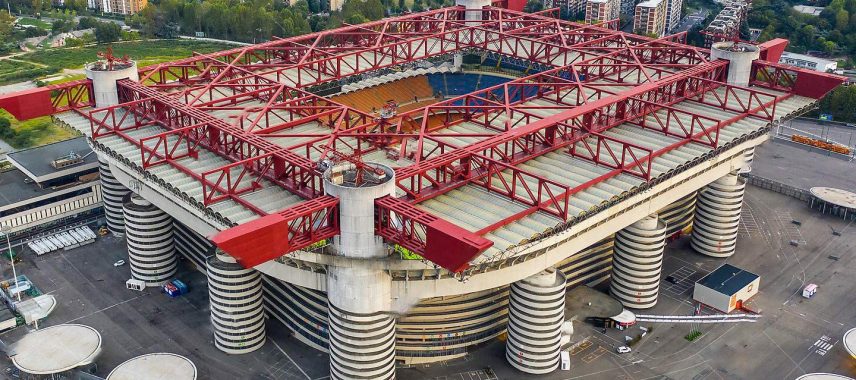
Even if a club wants to redevelop‚ it often cannot do so due to historic building protections․ Inter and its city rivals AC Milan were to learn this first-hand when San Siro was named as being of cultural interest‚ meaning it could not be demolished, however much either side wanted an upgrade․
Selling doesn’t solve it either․ Councils have, for the most part, been reluctant to dispose of public land to private ownership‚ both for community access and because the rent from football clubs is a regular source of income․
Some Clubs Give Up Ownership on Purpose
Newcastle United have their home games at St James’ Park every other Saturday․ The only thing that’s changed is ownership․ In June 2024‚ three days before the end of the club’s accounting year‚ the ground was sold to a company set up within the club’s ownership structure․
Then the numbers tell you why․ This move also turned what would have been a record loss into a £34․7million profit on the books‚ keeping Newcastle within the Premier League’s profitability and sustainability rules․ Nothing had changed on the field or in the stands․ Just the paperwork․
Compare that to a club that plays in a council-owned ground that they’ve never had a shot at owning․ One is circumstance․ The other‚ as Newcastle showed‚ is a decision made in an office‚ timed to the day․
Not Owning a Ground Still Shapes a Club’s Future
Not owning your stadium means someone else controls what gets built‚ expanded, or modernised, and that means someone else controls capacity and matchday experience for a long time․ Euro 2032 has made that painfully clear for Italy․ UEFA requires five tournament-ready stadiums to be named by October 2026; only Juventus’s Allianz Stadium currently meets this requirement․
You can see what’s at stake at San Siro․ Inter and their longtime rivals‚ AC Milan‚ recently purchased the ground from the city and plan to build a new 71,500-seat stadium to be completed by 2030․ Without that ownership‚ neither club would have had a chance to be part․
Such ownership status is not confined to just one tournament․ Ticket‚ hospitality, and matchday revenues will be impacted for decades․